While Australia is often known for its warm climate, the continent also has bouts with colder temperatures, sometimes as low as 15 degrees Celsius. As winter arrives, so does the cold breeze of the Australian winter, which could inflict costly damage on plumbing. Only a few know this, but water left in pipes is likely to freeze, causing these pipes to burst as the ice expands and the pressure builds.
With this in mind, you can protect your plumbing system from harsh winter conditions by following a few preventative measures. Here are a few plumbing tips for winter in Australia you might want to try:
1. Insulate your pipes
If you have pipes that are exposed to the elements, it’s best to anticipate that they will burst during freezing conditions, especially at night. Rather than replacing damaged pipes, you can avoid losses by protecting them from the cold.
How to properly wrap pipes to prevent freezing
Wrap them in insulation foam, rubber taped-backed flexible foam or pipe sleeves you can find at any hardware store. You can also add insulation to places like crawl spaces and attics which are often vulnerable to freezing.
2. Seal air leaks
Cold air can find its way inside your home through cracks and small openings. Exposure to this will cause your pipes to freeze and your plumbing system to fail. The best way to prevent this is to weatherstrip and caulk your windows, doors, and other areas where cold air could seep through.
Identifying common areas for air leaks at home
Sealing air leaks is easy, but what’s more difficult is locating where they are. The best way you can find out if an area has a leak is to feel the draft. You can do this by lighting a candle. If the flame flickers at certain areas, then a leak should be close by.
3. Check your water heater
Winter is a good time to take a hot bath. However, if you start to feel that the water temperature isn’t consistent with the current setting, then there’s a good chance it isn’t functioning properly. This could also make it more likely for your pipes to freeze.
How to ensure your water heater is working efficiently
Without proper care, your watering heating system could degrade faster and waste more energy. Make it a healthy habit to check its condition and avoid setting the temperature above the boiling point.
There could be a gas leak or the pilot light could be out (that is, if your heater is still equipped with this feature). Another cause could be an electrical failure or a worn out heating implement. Either way, you may need the help of a professional to fix such issues if you encounter one.
4. Prevent frozen pipes
The most serious issue you could face during winter is getting your pipes frozen. Not only does this block water but as pressure builds due to freezing, the pipes could burst and cause damage to your home as well as injury.
Tips for avoiding frozen pipes during cold weather
The best way to keep your pipes freezing aside from wrapping them with insulation tape is to keep your thermostat setting at the same level throughout the day (ideally above 55 degrees Fahrenheit). In the kitchen and bathroom, allow warmer air to move around by opening any cabinet doors. You can also open your faucets a little bit to allow a trickle of water.
5. Clear drains and gutters
While conditions are still dry, take the time to inspect storm drains and even the kitchen sink. Any hard matter that’s lodged within should be cleared away, or else they would worsen the effects of freezing.
The importance of maintaining clear drains and gutters
Other than freezing water, debris stuck in drains can also degrade plumbing systems. When winter comes, ill-maintained drains and gutters are highly vulnerable to damage When clogged, water gets trapped in the pipes, causing a build up of pressure that leads to bursting.
6. Outdoor tap maintenance
If you have faucets outside you use for irrigating your lawn and gardening, you will need to protect them from the hash drop in temperature.
How to properly shut off and protect outdoor faucets
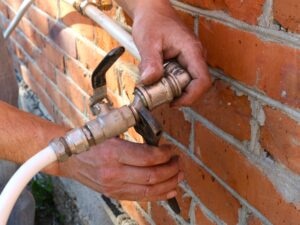
Since you won’t need to irrigate your lawn this winter, it’s best you turn off the main valves of your outdoor plumbing. In case of a pipe bursting, find your home’s main water valve and turn it off so you can deal with the problem properly.
After that, disconnect any hoses and drain them of any water before storing them away. You should protect the faucets with insulated covers to prevent freezing, but if you can afford it, you can try replacing your faucets with freeze-proof ones.
7. Emergency preparation
Even if you’re fully prepared to face the winter, there will be scenarios to catch you off guard. At this point, the best thing to do is to know how to respond to emergencies.
Steps to take in case of a plumbing emergency during winter
Whether it’s a burst pipe or clogged drains, the first step is to close the main water valve. This will stop water from flowing through your plumbing system and worsen the situation. If there are any leaks caused by a burst pipe, immediately clean it up.
The most complicated factor for responding to a serious winter emergency in your plumbing system is the time and tools involved to get the job done. If you lack both, you can always opt for a domestic plumbing service. Aside from getting timely winter plumbing tips, a seasoned professional can recommend long-term solutions to problems.
Endnote
If you want to avoid expensive fixes on your plumbing system that was damaged by the winter chill, start with these tips or skip them by hiring a local plumbing expert for the job.